Let's Exlore The Odyssey- Before the Film!

The Odyssey is one of the most famous epic poems in Western literature, but before it became a film or any modern adaptation, it existed as a powerful oral tradition and written masterpiece. Understanding the origins and cultural significance of The Odyssey before it was ever brought to the screen offers a richer appreciation of its timeless story. This post takes you on a journey through the history, themes, and impact of The Odyssey before it reached cinema audiences.

The Origins of The Odyssey
The Odyssey is attributed to the ancient Greek poet Homer and is believed to have been composed around the 8th century BCE. It is an epic poem that follows the hero Odysseus as he struggles to return home after the Trojan War. The poem was originally part of an oral tradition, passed down by storytellers who memorized and recited the verses to audiences.
Oral Tradition: Before being written down, The Odyssey was shared through spoken word, often accompanied by music or rhythm to aid memory.
Cultural Importance: It served as both entertainment and education, teaching values such as bravery, loyalty, and cleverness.
Historical Context: The poem reflects the social and political realities of ancient Greece, including the importance of hospitality and the role of the gods.
The oral nature of The Odyssey meant that it evolved over time, with different storytellers adding their own touches. This fluidity helped the story stay relevant to various audiences across generations.
Key Themes in The Odyssey Before Film Adaptations
The Odyssey explores many themes that resonate even today. Before film adaptations, readers and listeners connected deeply with these ideas:
The Journey and Homecoming: Odysseus’s long voyage symbolizes the struggle to return to one’s roots and the challenges faced along the way.
Cunning Over Strength: Odysseus is known for his intelligence and trickery, showing that brains can be as powerful as brawn.
Fate and Free Will: The poem wrestles with the tension between destiny controlled by the gods and human choices.
Hospitality and Respect: The ancient Greek concept of xenia (guest-friendship) plays a crucial role, highlighting social bonds and moral duties.
These themes made The Odyssey a rich source for discussion and interpretation long before it was adapted into films or other media.
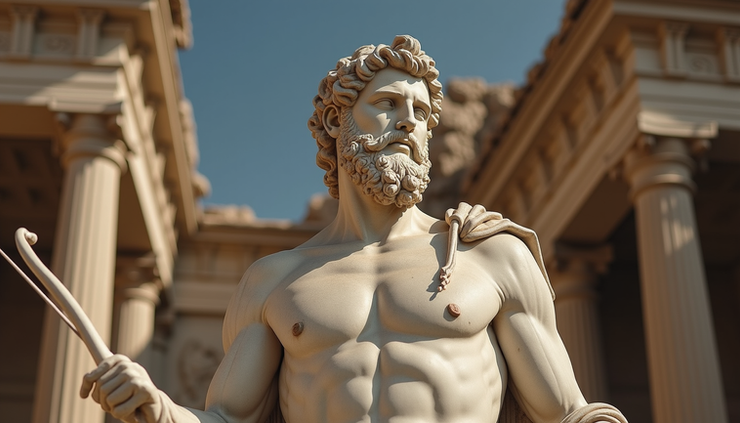
How The Odyssey Was Experienced Before Films
Before movies, The Odyssey was experienced in several ways:
Oral Recitations: Traveling bards or rhapsodes performed the poem at festivals, public gatherings, and royal courts.
Written Manuscripts: Once writing became widespread, The Odyssey was copied onto scrolls and later codices, allowing wider distribution.
Educational Text: It became a cornerstone of Greek education, used to teach language, ethics, and history.
Art and Theater: Scenes from The Odyssey inspired vase paintings, sculptures, and theatrical performances, bringing the story to life visually.
These forms of engagement helped keep the story alive and relevant. Each mode offered a different way to connect with the epic’s characters and lessons.
The Impact of The Odyssey on Later Culture
The Odyssey’s influence extends far beyond ancient Greece. Before film adaptations, it shaped literature, art, and philosophy across centuries:
Roman Literature: Writers like Virgil drew inspiration from Homer’s epics for their own works.
Medieval and Renaissance Europe: The Odyssey was studied and translated, influencing storytelling traditions.
Modern Literature: Many authors have reimagined or referenced The Odyssey in novels, poetry, and plays.
Philosophy and Psychology: The journey of Odysseus has been interpreted as a metaphor for human experience and self-discovery.
This long-lasting impact shows how The Odyssey’s core story and themes continue to inspire creativity and reflection.

Why Knowing The Odyssey Before the Film Matters
Watching a film adaptation of The Odyssey can be thrilling, but knowing the poem’s background adds depth to the experience. It helps viewers understand:
The original context and cultural values behind the story
How the poem’s themes relate to human nature and society
The artistic choices filmmakers make when adapting such a complex work
Exploring The Odyssey before the film encourages a more thoughtful and informed appreciation of both the ancient text and its modern retellings.